
Bird Netting in Ahmedabad Protect Your Balcony Factory Warehouse and Apartment from Pigeon Droppings
- kamlesh patel
- Aug 8
- 7 min read

A balcony that smells bad every morning. A warehouse ledge covered with droppings. A godown where pigeons keep nesting near goods. These are not small housekeeping problems. Once pigeons settle in a place, the mess returns again and again unless the access point is blocked properly.
In Ahmedabad, pigeon activity is common around apartments, commercial buildings, factories, sheds, warehouses, hospitals, schools, and storage units. Open balconies, ventilator gaps, AC ledges, ducts, rafters, and loading bays give birds enough space to perch and nest. Over time, droppings stain walls, damage surfaces, create odour, and raise hygiene concerns.
Bird netting in Ahmedabad is one of the most practical ways to stop this problem without harming birds. A properly fitted pigeon net creates a physical barrier, keeps birds away from usable areas, and helps maintain a cleaner, safer space.

Pigeon droppings are more than an eyesore
Pigeon droppings look dirty, but the bigger issue is what they do to the space over time. Fresh droppings are unpleasant. Dry droppings can turn powdery and spread as dust when swept, scraped, or disturbed. In poorly ventilated corners, this can make cleaning uncomfortable and may irritate people with allergies or breathing sensitivity.
Pigeon waste can also attract insects and mites. Nesting material may block drainage points, rainwater outlets, and narrow gaps around outdoor units. On floors, droppings become slippery, especially after light rain or washing. This matters in homes, buildings, factories, and godowns where people move around daily.
There are also surface damage concerns. Pigeon droppings are acidic and can stain:
Balcony tiles
Painted walls
Window grills
Metal railings
AC outdoor unit stands
Factory roofing sheets
Solar panels and utility areas
Stored cartons and packaging
This article is for general information only. If someone has a health condition or symptoms linked to exposure to bird droppings or dust, they should speak with a qualified medical professional.
Why pigeons keep returning to the same spot
Pigeons are creatures of habit. Once they find a safe ledge, corner, grill, pipe, or roof beam, they keep coming back. If they build a nest, the attachment becomes stronger. Cleaning the area may remove the visible mess, but it does not stop access.
That is why many people face the same cycle:
Pigeons sit on the railing or beam.
Droppings collect on the floor, wall, or goods.
The space gets cleaned.
Birds return the next day.
The problem starts again.
Sprays, hanging CDs, plastic spikes, and loud sounds may work for a short time in some cases, but pigeons often get used to them. A net works differently. It blocks entry, which is the main reason it remains a preferred solution for balconies and commercial spaces.
Pigeon netting for balconies keeps homes cleaner
Balconies are the most common place where households notice pigeon trouble. A balcony may be used for drying clothes, keeping plants, sitting in the evening, or placing an AC outdoor unit. When pigeons enter regularly, the space becomes hard to use.
Pigeon netting for balcony areas helps protect:
Open railings
Utility balconies
Dry balconies
Service shafts
Window ledges
AC ledges
Small terrace openings
A good balcony bird net should not make the home feel closed. The best installations are neat, tight, and measured properly. They allow air and light while preventing pigeons from landing inside. For families in apartments, this is often the cleanest long-term answer.
What a good balcony net installation should include
A professional installer checks the full opening before fitting the net. Corners, side gaps, top edges, and railing spaces are all important. Even a small loose space can let birds enter.
A proper installation usually focuses on:
Correct measurement from wall to wall
Strong hooks or fasteners
Tight fixing with no sagging
Clean finishing around corners
Access planning for maintenance areas
Net material suitable for outdoor exposure
The net should look simple and clean from inside the home. It should not hang loosely or rub against sharp metal edges.

Bird net for factory areas reduces hygiene and maintenance problems
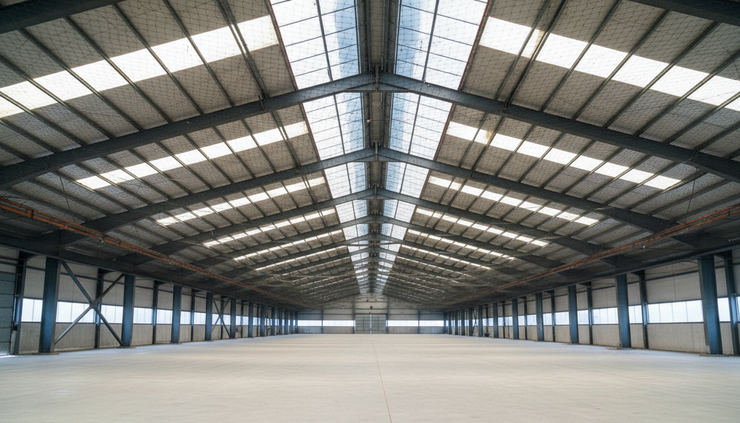
Factories often have large open areas where pigeons can settle unnoticed. Roof trusses, vents, skylight edges, rolling shutter tops, cable trays, pipes, and high beams can become perching points. By the time the problem becomes visible, droppings may already be falling on the shop floor, machinery, raw material, or packaging zones.
A bird net for factory spaces can help protect:
Production floors
Loading and unloading zones
Roofing gaps
Open sheds
Machine areas
Utility passages
Ventilation openings
Staff movement areas
In a factory, hygiene and safety are linked to daily operations. Droppings on floors can create slip risks. Droppings above machines can lead to extra cleaning. Nesting material near electrical or mechanical areas can create avoidable maintenance concerns.
The right netting plan depends on the building layout. A small shed may need side netting. A long industrial unit may need roof-level bird control. Some areas may need sectional netting so maintenance teams can still access ducts, lights, or machines when required.
Godown and warehouse bird netting protects stored goods
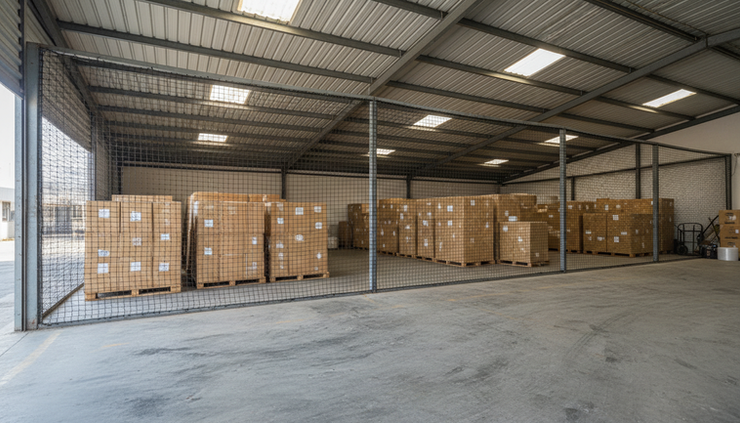
Godowns and warehouses attract pigeons because they often have high roofs, open shutters, ventilation gaps, and quiet corners. For storage spaces, bird droppings are not only a cleaning issue. They can affect stock quality and packaging.
Cartons, sacks, pallets, plastic-wrapped goods, fabric rolls, food-related packaging, and spare parts can all be affected if birds sit above them. Even when the goods inside stay safe, stained outer packaging can look unclean and may create trouble during dispatch.
Bird netting helps create a barrier around:
Entry shutters
Roof openings
Ventilator gaps
Loading docks
Storage racks near walls
High beams
Mezzanine corners
Open warehouse sides
For warehouses, the net must be fixed with enough tension and support. Large spans need careful planning so the net does not sag. Loose netting can collect dust, touch stored material, or create an untidy appearance. A trained team can inspect the structure and decide the best fixing pattern.
Area | Common pigeon problem | Practical netting approach |
Apartment balcony | Droppings on tiles, railing, plants, and AC ledges | Full front and side netting with tight corner fixing |
Factory shed | Birds sitting on beams and dropping waste on machines | High-level netting or section-wise coverage |
Godown | Nesting near stock and packaging | Netting for shutters, vents, and roof gaps |
Warehouse | Birds entering through loading bays and open sides | Large-span netting with strong support points |
Apartment shaft | Birds nesting in narrow service areas | Custom-fit netting around shaft openings |
Why professional bird net fitting matters
Bird netting may look simple, but fixing it correctly makes all the difference. Poor installation can leave gaps, sag after a few weeks, or loosen during wind and rain. In high-rise buildings or industrial roofs, safety also becomes a serious concern.
Professional bird net fitting gives better results because the team understands:
Where pigeons enter
Which gaps need closing
How to fix hooks without damaging the structure
How much tension the net needs
Which net size and material suits the area
How to work safely at height
How to keep the final look clean
For flat balconies, the work is usually direct. For factories, godowns, and warehouses, the job may need ladders, safety ropes, scaffolding, or access equipment. It is better to let trained fitters handle these spaces rather than attempt a risky DIY installation.
What to check before installing a pigeon net
Before booking the service, take a short look at the problem area. This helps the installer understand the actual requirement faster.
Check these points:
Where pigeons sit most often
Whether they have built a nest
Whether droppings fall on people, goods, machines, or floors
Whether the area has metal grills, concrete walls, or open sides
Whether maintenance access is needed later
Whether the space gets heavy wind or rain
Whether there are sharp edges that can cut the net
If there is an active nest with eggs or chicks, ask the service provider how they handle it. Ethical bird control should focus on prevention and exclusion, not harm. Netting is best installed after the area is cleared properly and access is blocked for future nesting.
The best netting is practical, neat, and low maintenance
A well-fitted pigeon net should do its job quietly. It should not block daily use of the space. It should not make the balcony feel dark. It should not hang loose in a factory or interfere with storage in a warehouse.
The most useful bird net installations have three qualities.
They cover the full entry path
If pigeons can enter from the top, side, or a small corner, they will try. The net must close the complete opening, not just the most visible part.
They stay firm in outdoor conditions
Ahmedabad’s heat, dust, wind, and monsoon conditions make proper fixing important. The net should be tied well and checked occasionally for damage.
They allow basic cleaning and access
Balconies, service areas, and industrial spaces still need maintenance. A good installer plans the fitting so that important areas are not permanently blocked without thought.
Commercial spaces should act early
Many factories and warehouses wait until pigeon droppings become a large visible problem. By then, cleaning costs, stock handling issues, and complaints may already have increased. Early netting is easier, cleaner, and usually less disruptive.
For commercial sites, bird netting can support:
Cleaner production and storage areas
Better appearance during visitor or client visits
Reduced repeated cleaning
Less risk of droppings falling on goods
Better use of open sheds and loading spaces
Protection for vents, beams, and roof gaps
The same applies to apartments and societies. If one balcony has a pigeon problem, nearby balconies may face it too. Societies can plan netting for shafts, ducts, open utility areas, and common ledges before the issue spreads.
Call Span Shield for bird net fitting
If pigeons are creating droppings, odour, and hygiene concerns in your balcony, apartment, factory, godown, or warehouse, do not wait for the mess to grow. A proper net fitting can save repeated cleaning and help keep the space usable.
Call now Span Shield for bird net fitting and get a suitable solution for your site. The right team can inspect the area, suggest the correct coverage, and install the net safely with a clean finish.
Bird netting is a simple idea, but it works best when it is planned well. Block the entry points, protect the usable space, and stop the daily cycle of cleaning pigeon droppings again and again.


Comments