
The Rise of Digital Solutions in Pest Control
- kamlesh patel
- Aug 11, 2025
- 3 min read

Pest control has traditionally been a hands-on, labor-intensive service. However, the rise of digital solutions in pest control is transforming the industry. Technology is making pest management more efficient, accurate, and accessible. From smart sensors to AI-driven analytics, digital pest control is reshaping how homes and businesses protect themselves from pests.
How Digital Pest Control is Changing the Industry
Digital pest control uses technology to monitor, detect, and manage pest problems with minimal human intervention. This approach offers several advantages over traditional methods:
Real-time monitoring: Sensors and IoT devices can detect pest activity instantly.
Data-driven decisions: AI and machine learning analyze patterns to predict infestations.
Remote management: Pest control professionals can monitor sites without being physically present.
Eco-friendly solutions: Digital tools help reduce pesticide use by targeting only affected areas.
For example, smart traps equipped with sensors can notify pest control teams when pests are caught, eliminating the need for routine manual checks. This not only saves time but also ensures faster response to infestations.
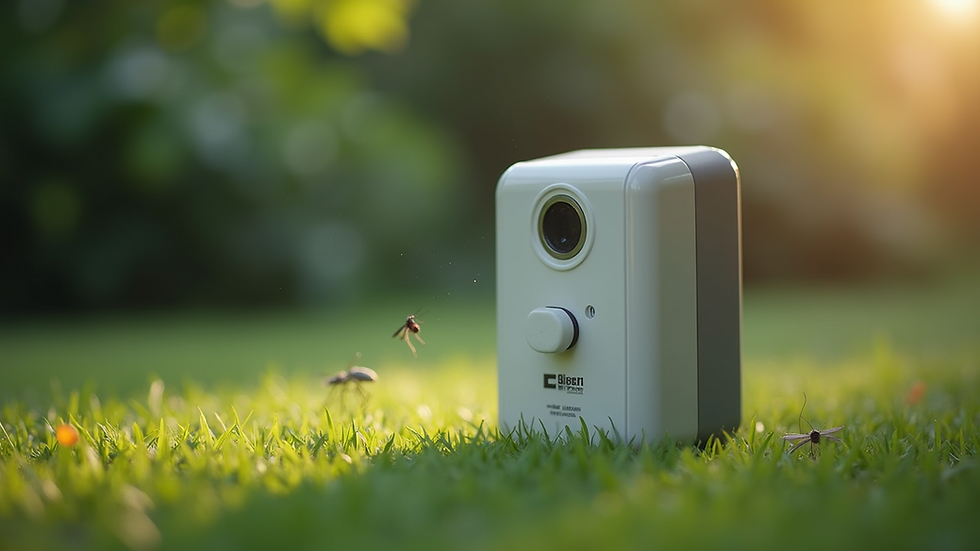
Digital pest control also integrates with mobile apps, allowing property owners to track pest activity and schedule treatments conveniently. This seamless communication improves transparency and customer satisfaction.
Benefits of Digital Pest Control Technologies
The adoption of digital pest control technologies brings numerous benefits to both service providers and customers:
Enhanced Accuracy and Efficiency
Digital tools reduce human error by providing precise data on pest locations and activity levels. This accuracy allows for targeted treatments, minimizing chemical use and environmental impact.
Cost Savings
By detecting infestations early and applying treatments only where necessary, digital pest control can lower overall costs. It also reduces labor expenses by automating monitoring tasks.
Improved Safety
Remote monitoring limits the need for technicians to enter hazardous or hard-to-reach areas frequently. Additionally, reduced pesticide application means less exposure to harmful chemicals for residents and workers.
Scalability
Digital solutions can easily scale to cover multiple properties or large commercial sites. Centralized data management helps coordinate pest control efforts across different locations efficiently.
Integration with Online Services
Many companies now offer online pest control services that leverage digital tools for remote consultations, scheduling, and follow-ups. This convenience is especially valuable in today’s fast-paced world.

What is the cost of pest control in Ahmedabad?
Understanding the cost of pest control in Bangalore is essential for budgeting and planning. Prices vary depending on the type of pest, severity of infestation, property size, and treatment methods used.
Typical Price Ranges
Basic pest control: ₹1,000 to ₹3,000 per visit for common pests like ants, cockroaches, and spiders.
Termite treatment: ₹5,000 to ₹15,000 depending on the extent of infestation and treatment type.
Rodent control: ₹2,000 to ₹6,000 per session.
Specialized treatments: Prices vary widely for pests like bed bugs or mosquitoes.
Factors Influencing Cost
Frequency of service: One-time treatments cost less upfront but may require repeat visits.
Use of digital technology: Advanced digital pest control solutions might have higher initial costs but offer long-term savings.
Property type: Commercial properties generally incur higher charges due to larger areas and stricter regulations.
Recommendations for Cost-Effective Pest Control
Opt for companies that use digital monitoring to detect problems early.
Schedule regular maintenance visits to prevent severe infestations.
Compare quotes from multiple providers to find the best value.

Practical Tips for Choosing Digital Pest Control Services
When selecting a digital pest control provider, consider the following:
Technology Used: Ensure the company employs modern digital tools like smart traps, sensors, and data analytics.
Experience and Reputation: Look for providers with proven expertise in digital pest control.
Customer Support: Choose services that offer easy communication channels and transparent reporting.
Customization: The provider should tailor solutions based on your specific pest issues and property type.
Eco-Friendly Practices: Prioritize companies that minimize chemical use through precise digital targeting.
Additionally, inquire if the company offers online pest control services for convenient scheduling and remote consultations.
The Future of Pest Control is Digital
The pest control industry is rapidly evolving with digital innovation at its core. Emerging technologies like AI-powered image recognition, drone surveillance, and automated treatment systems promise even greater efficiency and effectiveness.
As more businesses and homeowners embrace digital pest control, the focus will shift towards sustainable, data-driven pest management strategies. This transformation will not only improve pest control outcomes but also enhance environmental safety and customer experience.
Investing in digital pest control solutions today means staying ahead in the fight against pests tomorrow.
Digital pest control is no longer a futuristic concept but a present-day reality. By leveraging technology, pest management becomes smarter, safer, and more cost-effective. Whether you are dealing with a minor nuisance or a serious infestation, digital tools offer powerful solutions to protect your property efficiently.


Comments