
Residential vs Commercial Pest Control Which One Do You Need

A cockroach in your kitchen and rodents in a warehouse both need pest control, but they don’t need the same kind of plan.
That’s where people often get confused. Pest control sounds like one service from the outside. Someone visits, checks the place, treats the problem and leaves. But the needs of a home are very different from the needs of a restaurant, factory, hospital, bank, warehouse or pharma unit.
At home, the goal is comfort, safety and long-term protection for your family. In a business, the goal also includes hygiene standards, audits, documentation, staff safety, customer trust and minimum disruption to daily work.
So, let’s make the choice simple. Here’s how Residential vs. Commercial Pest Control works, what each one covers and how to know which service is right for you.
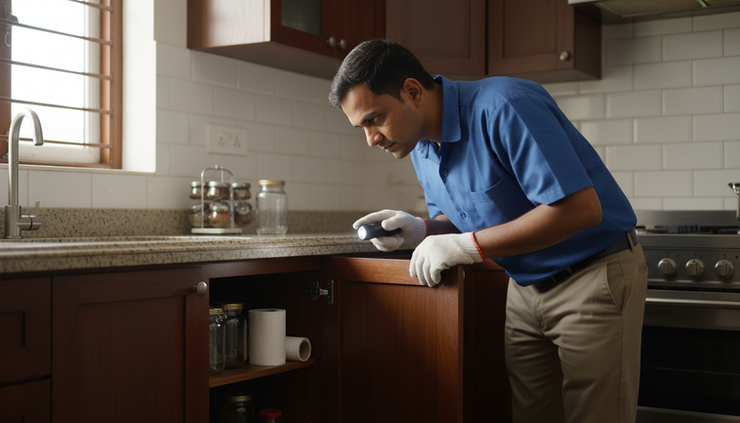
Residential pest control protects your home and personal space
Residential pest control is made for houses, flats, bungalows, rental apartments and personal properties. If the pest issue is happening where people live, cook, sleep or store personal belongings, this is the category you need.
Homes have a very specific pest pattern. Food crumbs, water leakage, drains, wooden furniture, garden areas, balconies and storage corners can all attract pests. In Ahmedabad, issues can also rise during seasonal changes, monsoon moisture and construction activity nearby.
A good residential treatment doesn’t just spray and go. It looks at how pests entered, where they’re hiding and what needs to change so the problem doesn’t keep coming back.
Common residential pest problems
Most homes call pest control teams for a few repeated issues.
Cockroaches
Cockroaches are common in kitchens, bathrooms, drains and utility areas. They hide quickly and usually come out at night. If you see one or two in the open, there may be more hiding inside cracks, appliances or drainage points.
Termites
Termites are one of the most damaging home pests because they can feed on wood, plywood, door frames, wardrobes and furniture from inside. Many people notice the problem only after hollow wood, mud tubes or powder-like residue appears.
Ants
Ant trails around kitchens, windows, balconies and food storage areas can become annoying fast. Some ant problems are small, but others keep returning if the nest or entry route isn’t treated.
Bed bugs
Bed bugs hide in mattresses, bed frames, sofas and small gaps near sleeping areas. They’re difficult to remove with home remedies because they hide so well and can spread through luggage, furniture or visitors’ belongings.
Mosquitoes
Mosquitoes breed in stagnant water. Flower pots, coolers, drains, terraces and uncovered containers can all become breeding spots. Residential mosquito control focuses on both treatment and prevention.
Rodents
Rats and mice may enter homes through drains, gaps, ducts, parking areas and storage rooms. Apart from damaging food packets and wiring, they can create a lot of stress inside a home.
What residential treatment focuses on
Residential pest control is personal. The technician has to work around family routines, children, elderly people, pets, kitchens and bedrooms. So the plan must be careful, practical and clear.
A typical residential service focuses on:
Safe treatment areas inside kitchens, bathrooms, bedrooms and balconies
Crack and crevice treatment where pests hide
Termite inspection for wooden furniture and structural wood
Gel treatment for cockroaches in sensitive kitchen zones
Baiting or trapping for rodents where needed
Mosquito breeding source checks around the property
Advice on sealing entry points, cleaning habits and storage
For homes, the best service is the one that solves the pest problem without turning daily life upside down. You should know what’s being treated, whether you need to leave the area for some time and what precautions to follow after service.

Commercial pest control protects your business and compliance
Commercial pest control is built for workplaces, production units, customer-facing businesses and regulated facilities. If pests can affect your operations, reputation, staff safety, audit results or product quality, you need a commercial plan.
This includes places like:
Restaurants and cafés
Hotels and cloud kitchens
Food processing units
Pharma units
Hospitals and clinics
Banks and ATMs
Warehouses and godowns
Retail stores
Schools and institutions
Manufacturing units
Commercial pest control is usually more detailed than home pest control because businesses have more risk. A pest sighting in a kitchen, packaging area, patient area or stockroom can become a serious issue. Some industries also need records, service reports and proof that pest control is being handled properly.
For example, a food business can’t treat pests casually during working hours. A warehouse can’t allow rodents near packed goods. A healthcare facility needs careful planning around sensitive zones. A manufacturing unit may require scheduled visits that don’t interrupt production.
That’s why commercial treatment needs planning, documentation and follow-up.
Common commercial pest problems
Businesses face many of the same pests as homes, but the scale and impact are different.
Rodents
Rodents are a major concern in warehouses, food storage areas, factories, shops and back-of-house zones. They can damage goods, packaging, cables and stored material. They also leave droppings, which can create hygiene concerns.
Cockroaches
Commercial kitchens, pantry areas, drains and food handling spaces are common cockroach hotspots. A recurring cockroach issue can affect hygiene ratings, customer confidence and staff comfort.
Flies
Flies are common in food businesses, waste zones, loading areas and places with organic waste. They move quickly between waste and food surfaces, so control needs both treatment and source management.
Termites
Termites can damage wooden fixtures, storage racks, document rooms, furniture and parts of buildings. Banks, offices, shops and institutions often take termite treatment seriously because paper records and wooden interiors may be at risk.
Stored product pests
Warehouses, grocery stores and food processing units may deal with pests that infest grains, pulses, flour, spices or packaged food. These require careful inspection and responsible treatment.
Mosquitoes and ants
Large premises with gardens, drains, water collection points or open areas can face mosquito and ant issues too. If ignored, small problems can spread across the site.
What commercial treatment focuses on
Commercial pest control is less about one-time relief and more about ongoing control. The aim is to reduce pest activity, prevent reinfestation and keep the site ready for hygiene checks.
A commercial plan usually includes:
Detailed site inspection
Pest mapping and risk area identification
Scheduled treatment visits
Rodent bait stations and monitoring
Fly control solutions where required
Cockroach control in drains, kitchens and service areas
Termite treatment for affected or high-risk areas
Entry point checks around shutters, ducts, drains and loading bays
Service records and treatment reports
Work planned around business hours
This is especially important for food, pharma, healthcare, banking and warehousing. In these sectors, pest control must support hygiene standards without disturbing day-to-day operations.
For a manufacturing unit or factory, the service may include production-area inspection, external perimeter treatment, bait station monitoring and reports for internal review. That’s why factory pest control should always be handled with a site-specific plan rather than a generic spray service.

The main differences are purpose, scale and planning
The biggest difference between residential and commercial pest control is not the pest itself. A cockroach is still a cockroach. The difference is what’s at risk and how the treatment needs to be managed.
Residential pest control | Commercial pest control |
Made for homes, flats, bungalows and personal properties | Made for businesses, institutions, warehouses and production sites |
Focuses on family comfort, safety and home hygiene | Focuses on hygiene standards, compliance, stock protection and business continuity |
Usually treats kitchens, bedrooms, bathrooms, balconies and furniture | Treats production zones, storage areas, kitchens, drains, loading docks and public areas |
Often booked when pests are seen at home | Often planned as regular visits to prevent issues |
Less documentation required | Service records and reports may be needed |
Treatment timing is based on family convenience | Treatment timing must avoid work disruption |
A home service can often be completed in a shorter visit, depending on the pest and size of the property. A commercial service may need repeated visits, night treatment, weekly or monthly monitoring, staff coordination and written reports.
The method also changes. For homes, discreet gel treatment may work well for cockroaches in a kitchen. For a restaurant, the plan may also need drain treatment, fly control, waste-area inspection and routine monitoring.
For a warehouse, rodent control may need external bait stations, internal traps, sealing advice and activity tracking over time. For a hospital or clinic, the team must be extra careful with sensitive zones and timing.
Which one do you need?
Here’s the simple way to decide.
Choose residential pest control if the pest problem is in:
Your home
A rented flat
A bungalow
A personal storage room
A private apartment
A family property
This is the right fit if you’re dealing with cockroaches in the kitchen, termites in furniture, ants near food, bed bugs in a bedroom, mosquitoes around the balcony or rodents inside the home.
Choose commercial pest control if the pest problem is in:
A shop
A restaurant or café
A hotel or kitchen
A warehouse
A factory
A clinic or hospital
A bank or financial facility
A school, institute or office premises
A food, pharma or manufacturing unit
This is the right fit if pest activity can affect customers, workers, stock, compliance, hygiene checks or operations.
A quick rule helps too. If the place is mainly used for living, go residential. If the place is used for business, service, storage, production or public access, go commercial.
There are a few grey areas. For example, a home-based cloud kitchen may need more than a basic home treatment because food handling is involved. A small shop attached to a home may need a mixed approach. A residential society may need common-area treatment, which is closer to commercial-style planning even though people live there.
When in doubt, ask for an inspection. A good pest control company will tell you which plan fits instead of pushing the biggest package.

Span Shield handles both home and business pest control in Ahmedabad
Span Shield provides both residential and commercial pest control in Ahmedabad and nearby areas. So whether pests are disturbing your peaceful home or creating risk at your business site, you don’t have to guess the right treatment on your own.
Span Shield is a Govt. Approved, APMA Member and IPCA Member pest control company. The team has served more than 10,000 families, along with commercial clients that need reliable and compliant pest management.
Areas served
Span Shield serves many key locations across Ahmedabad and Gandhinagar, including:
Gota
Chandkheda
Zundal
Tragad
Ognaj
Sola
Jagatpur
Vaishnodevi
Khoraj
Motera
Lapkaman
South Bopal
Science City
Gandhinagar
For homes, the team can help with common pests like cockroaches, termites, ants, bed bugs, mosquitoes and rodents.
For businesses, Span Shield can plan services around operating hours, hygiene needs and the type of site. That matters a lot for food businesses, pharma facilities, healthcare spaces, banks, warehouses and factories where pest control can’t be random or disruptive.
The best result usually comes from a proper inspection first. Once the source and risk areas are clear, the treatment plan becomes much more effective.
FAQ
Is residential pest control safe for homes with children or pets?
A trained pest control team will guide you on precautions before and after treatment. Tell the technician if you have children, elderly family members or pets at home, so the service can be planned carefully.
How often should a business schedule pest control?
Many businesses need regular service, not just one-time treatment. The frequency depends on the industry, pest risk, site size and hygiene requirements. Food, pharma, healthcare and warehousing sites usually need closer monitoring.
Can the same treatment work for a home and a shop?
Sometimes the pest may be the same, but the treatment plan may differ. A shop may need monitoring, timing control and service records, while a home treatment focuses more on living areas and family safety.
Do I need pest control if I only saw one cockroach or rat?
Yes, it’s better to inspect early. One visible pest can point to hidden activity, especially with cockroaches, rodents and termites.
What should I do before pest control service?
Clear access to corners, drains, storage areas and affected spots. For kitchen treatment, cover food items and utensils. The pest control team will share specific instructions based on the treatment.

The simplest answer
If pests are inside your home or personal property, choose residential pest control. If pests are affecting a workplace, business, storage area, production site or customer-facing space, choose commercial pest control.
Both services aim to remove pests, but the planning is different. Homes need safe, comfortable treatment. Businesses need control, records, hygiene support and service that doesn’t interrupt work.
Get the right inspection, choose the right plan and treat the source early. That’s the easiest way to stop a small pest issue from becoming a much bigger problem.


Comments